




¿Cómo simplifica el adhesivo epoxi precoloreado para piedra la fabricación de piedra?
Release time: 2026-10-29
Tabla de contenido
Stone fabrication involves more than cutting and polishing slabs. Small details, such as the appearance of bonded joints, material preparation, and working time, can all affect the final result. For fabricators handling quartz, natural stone, solid surface materials, ceramics, and porcelain, choosing the right adhesive can help make everyday work more manageable. This is where Precolored Epoxy Stone Adhesive can offer practical value. Instead of starting with an uncolored adhesive and adjusting the shade on-site, fabricators can choose a precolored option that better matches the stone they are working with.
However, color is only one part of the decision. Material compatibility, surface preparation, packaging, and curing requirements also deserve attention. A product that fits the stone type and fabrication process can help reduce unnecessary adjustments and support a more consistent workflow. Understanding these factors makes it easier to choose an adhesive based on real workshop needs rather than relying on product claims alone.
Why Color Matching Matters in Stone Fabrication
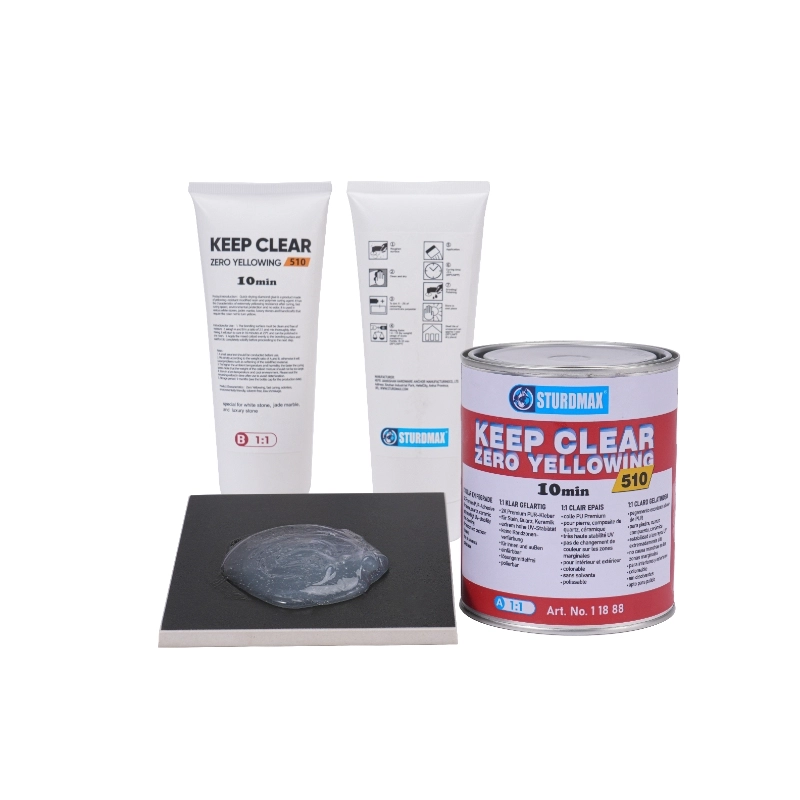
Stone surfaces often feature distinctive colors, patterns, and textures. Even when two slabs look similar, their background shades may differ enough to make a bonded joint more noticeable. This is particularly important for countertops, decorative panels, and other applications where the finished surface remains visible. Choosing a suitable Pegamento epoxi para piedra can help fabricators create joints that blend more naturally with the surrounding material.
Precolored adhesive simplifies part of this process by offering a ready-colored option, reducing the need for extensive on-site color mixing. It does not guarantee an invisible joint, though. The final appearance depends on the stone’s color, the joint design, the adhesive shade, and the application technique. For a reliable result, test the selected color on a sample or an inconspicuous area before applying it to the finished workpiece. This simple step helps identify mismatches early and gives the fabricator a better idea of the cured appearance. For projects involving several stone colors, keeping suitable shades available can also make material preparation more organized.
How Precolored Adhesive Can Simplify Daily Workshop Tasks
In a busy fabrication workshop, small preparation steps can add up across multiple jobs. Measuring, mixing, and adjusting adhesive colors may take extra time, particularly when workers need to move between different stone types. A precolored product can simplify this stage by providing a color option that is ready to use according to the manufacturer’s instructions. This can make it easier to prepare for routine bonding and repair work without adding unnecessary steps to the process.
The actual benefit depends on the job. A large production run using one stone color may require a different workflow from a custom countertop project with several shades and detailed edges. Fabricators should consider how often they change materials, how closely the adhesive needs to match each surface, and whether the selected product is suitable for the intended bond. Precolored adhesive should be treated as a way to streamline preparation, not a substitute for proper application. Clean surfaces, accurate adhesive placement, and compliance with the product’s technical instructions remain essential for achieving consistent results.
Check Material Compatibility Before Choosing a Stone Fabrication Adhesive
Not every adhesive is suitable for every stone surface. Quartz, solid surface materials, natural stone, ceramics, and porcelain can differ in composition and surface characteristics. A product that performs well on one material may not be appropriate for another application. Before choosing a Stone Fabrication Adhesive, check the manufacturer’s stated compatibility and confirm that it covers the material and bonding task involved.
Sturdmax Slab Bonding Adhesive 250ml Ultra Bond Epoxy Adhesive is listed for bonding quartz, solid surface, natural stone, ceramics, and porcelain. This range makes it a potential option for fabricators who regularly work with different types of slabs. Still, the material list alone should not determine the final choice. The type of joint, the parts being bonded, and the conditions the finished piece will face also matter. For example, bonding two stone edges may have different requirements from attaching a separate component. If the application is structural or subject to demanding service conditions, consult the product’s technical data and confirm suitability before use.
Is a 250ml Cartridge Practical for Stone Fabrication?
Packaging affects how adhesive is handled, stored, and ordered. A 250ml cartridge provides a defined quantity for each unit, making it easier for workshops to estimate purchasing needs and manage stock. Sturdmax Ultra Bond is supplied in 250ml cartridges, with 32 pieces per carton. For businesses that purchase adhesive regularly, these specifications can help with order planning, storage arrangements, and inventory calculations.
The most suitable package size depends on actual consumption. A workshop completing frequent bonding jobs may prefer to keep a steady stock of cartridges, while a business handling occasional custom work may need to estimate demand more carefully to avoid holding excess inventory. Before placing an order, consider the number of projects, the expected amount of adhesive used per job, and the product’s stated shelf life. The manufacturer lists a shelf time of more than 12 months, but the product should still be stored under the recommended conditions. Avoid estimating coverage from cartridge volume alone, because consumption varies with joint dimensions, application method, and material geometry.
Understanding Fast Bonding Time and Full Curing
Speed can be valuable in stone fabrication, especially when several pieces need to move through the workshop in sequence. Sturdmax lists its Ultra Bond product as offering fast bonding in six minutes. This specification can help buyers understand the product’s intended working characteristics, but it should not be interpreted as confirmation that the adhesive is fully cured or ready for every subsequent operation after six minutes.
Bonding, setting, and full curing are not necessarily the same stage. The time required before handling, polishing, machining, or loading a bonded piece depends on the adhesive formulation, ambient conditions, joint design, and the manufacturer’s instructions. For this reason, fabricators should check the technical data sheet for the recommended application procedure and curing requirements rather than relying on a single time figure. Following the specified process can help prevent premature handling and reduce the risk of damaging a newly bonded joint. When planning production schedules, allow sufficient time for the required curing stage instead of assuming that a quick initial bond means the job is immediately complete.
Preparing Stone Surfaces for More Consistent Bonding
Even a suitable adhesive cannot compensate for poor surface preparation. Dust, moisture, wax, or other contamination may interfere with contact between the adhesive and the substrate. Sturdmax specifies that the surface must be dry and free of absorbent wax before applying its 250ml Ultra Bond adhesive. Fabricators should follow the full product instructions for cleaning and preparation, including any requirements that apply to the specific stone being bonded.
It is also worth checking the condition of the material before beginning work. Damaged edges, uneven contact surfaces, and poorly aligned components can affect the quality of the finished joint. Prepare the pieces carefully, confirm the intended fit, and test the selected adhesive and color when working with unfamiliar materials. For outdoor applications, do not rely on a general indoor/outdoor label alone; verify that the product’s technical documentation supports the actual exposure conditions and intended use. Consistent preparation, appropriate material selection, and correct curing practices work together to support dependable fabrication results.
How to Choose the Right Precolored Epoxy Stone Adhesive
When comparing adhesives, start with the requirements of the job rather than choosing solely by price or bonding speed. Confirm that the product is suitable for the stone, the joint type, and the expected service environment. Next, consider whether a precolored option can meet the appearance requirements and whether the available shades are appropriate for the project. A sample test is especially useful when working with premium surfaces or materials with distinctive patterns.
Packaging and production schedules should also be part of the decision. A 250ml cartridge may fit a workshop’s regular usage, while carton quantities and shelf life can help buyers plan orders. Finally, review the manufacturer’s technical data for surface preparation, application, and curing instructions. Sturdmax Slab Bonding Adhesive 250ml Ultra Bond Epoxy Adhesive is one option to evaluate for projects involving quartz, solid surface, natural stone, ceramics, and porcelain. Matching the product to the material and process is the most practical way to balance appearance, workflow, and bonding requirements.
Preguntas frecuentes
What materials can Sturdmax Ultra Bond 250ml be used on?
The product page lists quartz, solid surface, natural stone, ceramics, and porcelain. Always verify the technical documentation for the specific material and application.
What is the main benefit of precolored stone adhesive?
Precolored adhesive can reduce the need for on-site color mixing and help fabricators select a shade that coordinates with the stone. Testing the color before full application is still recommended.
Does six-minute bonding mean the adhesive is fully cured?
No. The six-minute claim refers to the product’s listed fast-bonding characteristic. Follow the manufacturer’s technical instructions to determine handling and full-curing requirements.
Is this adhesive suitable for outdoor projects?
The product information lists indoor and outdoor applications. Confirm that its technical specifications meet the exposure conditions and requirements of your particular project.