



Why Is Non-Yellowing Marble Adhesive Essential for White Stone Projects?
Release time: 2026-07-28
Table of Contents
White marble has long been synonymous with luxury architecture, high-end interiors, and timeless elegance. From hotel lobbies and luxury villas to premium kitchen countertops and commercial spaces, light-colored natural stone creates a clean, sophisticated aesthetic that designers and homeowners value. However, maintaining that pristine appearance requires more than selecting premium stone—it also depends on choosing the right adhesive.
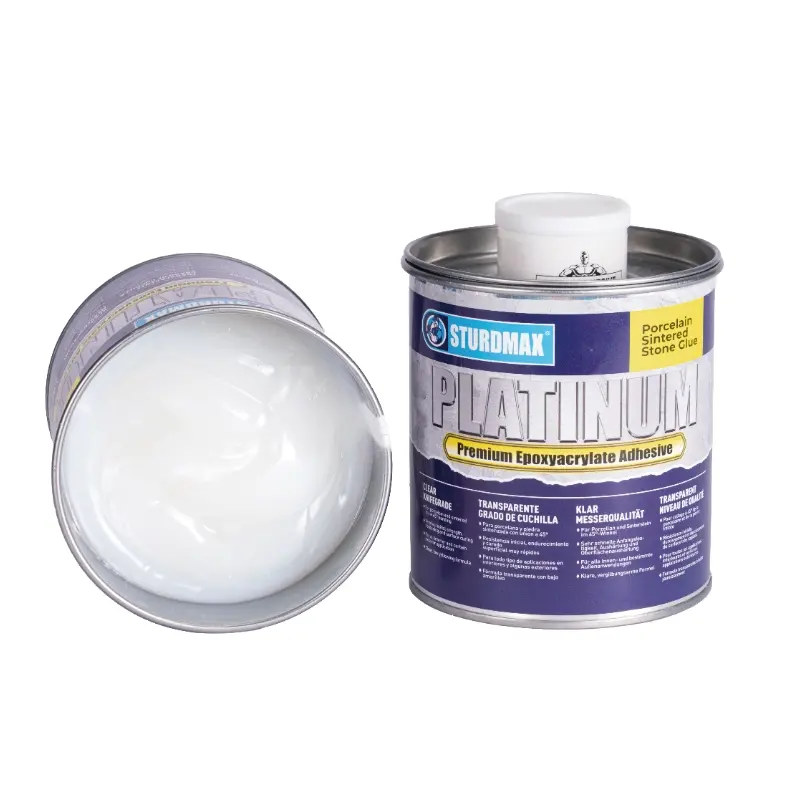
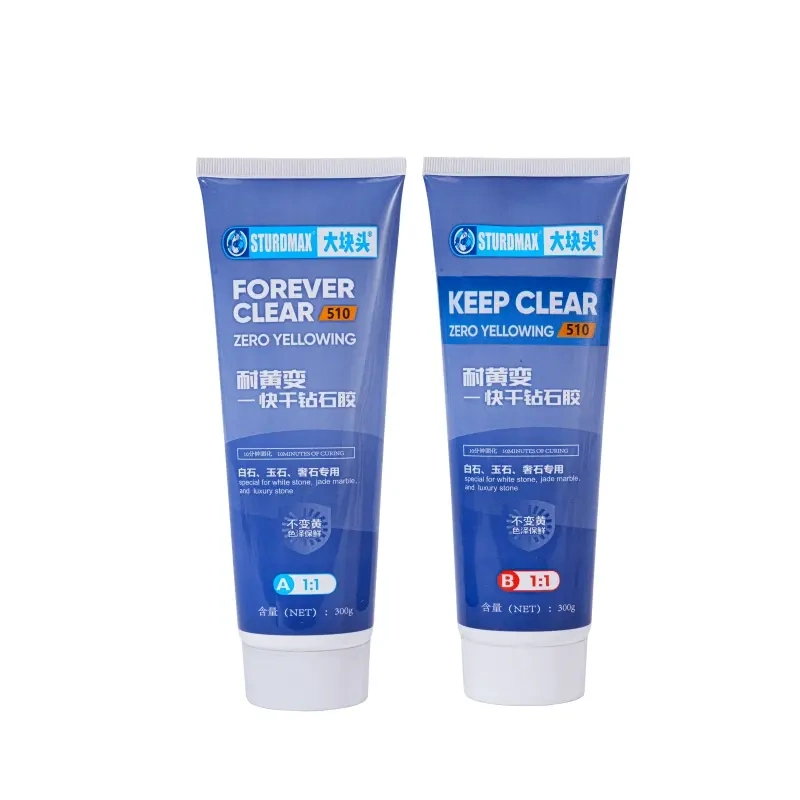
Many stone projects fail to preserve their original beauty because conventional adhesives gradually discolor, causing visible yellow stains around seams and bonded areas. A non-yellowing marble adhesive specifically formulated with advanced epoxyacrylate technology helps eliminate this issue while delivering strong, durable bonds that withstand the demands of professional stone fabrication and installation.
Why Is Yellowing a Serious Problem in White Stone Projects?
Unlike darker stones, white marble, quartz, and engineered stone reveal even the slightest color variation. An adhesive that yellows over time can permanently affect the appearance of an otherwise flawless installation.
Common consequences include:
- Visible seam discoloration
- Uneven color across countertop joints
- Reduced visual value of luxury stone
- Increased repair and replacement costs
- Customer complaints after project completion
These issues are particularly problematic for:
- Luxury residential kitchens
- Hotel reception counters
- Bathroom vanity tops
- Commercial wall cladding
- Designer furniture
- High-end retail interiors
Because white stone emphasizes purity and consistency, adhesive discoloration quickly becomes noticeable.
What Causes Marble Adhesive to Turn Yellow?
Yellowing is usually the result of adhesive aging rather than the stone itself.
Several environmental and chemical factors accelerate discoloration:
| Cause | Effect on Adhesive |
| UV exposure | Polymer oxidation and yellowing |
| High temperature | Accelerated aging |
| Moisture | Reduced long-term stability |
| Inferior raw materials | Faster discoloration |
| Poor formulation | Loss of transparency and color consistency |
Traditional polyester adhesives are particularly susceptible to these conditions, making them less suitable for premium white stone applications.
What Makes a Non-Yellowing Marble Adhesive Different?
Modern epoxyacrylate technology has significantly improved adhesive stability.
Unlike conventional stone glues,Non-Yellowing Marble Adhesive is engineered to maintain its original appearance while providing exceptional mechanical performance.
Its advantages include:
Superior UV Resistance
Sunlight is one of the primary causes of adhesive discoloration.
UV-resistant formulations help maintain consistent color, making them ideal for:
- Window surrounds
- Outdoor decorative stone
- Balcony countertops
- Entrance features
- Bright interior spaces with natural sunlight
Excellent Color Stability
Premium adhesives maintain a clean, uniform appearance over extended periods.
This is especially important when working with:
- White marble
- Carrara marble
- Calacatta marble
- White engineered quartz
- Artificial white stone
- Sintered stone panels
Consistent color helps preserve the premium appearance expected in luxury projects.
Long-Term Durability
Color stability alone is not enough.
Professional fabricators also require adhesives that offer:
- High bonding strength
- Weather resistance
- Moisture resistance
- Crack resistance
- Long service life
These properties ensure that aesthetics and structural performance remain equally reliable.
Why Is Adhesive Selection Critical for White Marble Fabrication?
Stone fabrication involves multiple bonding operations where adhesive quality directly affects the finished product.
These include:
- Edge bonding
- Lamination
- Seam joining
- Corner reinforcement
- Stone repair
- Sink installation
Using a professional Marble Adhesive helps fabricators produce seamless joints with minimal visual impact.
Even after polishing, properly selected adhesive remains virtually invisible.
Which Stone Applications Benefit Most from Non-Yellowing Adhesives?
Although white marble is the most obvious application, many premium materials benefit from superior color stability.
| Stone Material | Typical Applications |
| White Marble | Luxury countertops, flooring |
| Carrara Marble | Interior wall panels |
| Calacatta Marble | Kitchen islands |
| Quartz Stone | Residential countertops |
| Engineered Stone | Bathroom vanities |
| Sintered Stone | Furniture, wall systems |
| Artificial Stone | Commercial interiors |
For all these materials, preventing discoloration protects both appearance and long-term property value.
How Does Non-Yellowing Technology Improve Stone Fabrication?
Today’s stone manufacturers prioritize efficiency without compromising quality.
Premium adhesive technology contributes to fabrication by reducing several common issues.
Fewer Customer Complaints
Yellow seams are among the most common reasons for post-installation service requests.
Stable adhesive formulations significantly reduce these risks.
Reduced Rework
Replacing bonded stone components is expensive and time-consuming.
Reliable color stability minimizes unnecessary repairs.
Better Project Reputation
Architects and contractors rely on consistent installation quality.
Delivering projects free from discoloration strengthens customer trust and increases opportunities for repeat business.
Higher Production Confidence
Fabricators can confidently process premium white materials without worrying about future adhesive discoloration.
How Does Epoxyacrylate Technology Compare with Traditional Adhesives?
Modern adhesive chemistry offers significant improvements over older formulations.
| Performance Factor | Traditional Polyester Adhesive | Premium Epoxyacrylate Adhesive |
| Yellow Resistance | Fair | Excellent |
| UV Stability | Moderate | Outstanding |
| Bond Strength | Good | Excellent |
| Weather Resistance | Moderate | Excellent |
| Color Stability | Average | Outstanding |
| Long-Term Appearance | May discolor | Maintains original color |
For premium architectural projects, these differences can directly influence customer satisfaction and project lifespan.
What Should Professionals Consider When Choosing Marble Adhesive?
Selecting the right adhesive involves more than comparing prices.
Professionals should evaluate:
UV Resistance
Essential for projects exposed to sunlight.
Color Stability
Critical for white and light-colored stone.
Bond Strength
Strong adhesion ensures long-term structural reliability.
Fast Curing
Improves production efficiency and installation speed.
Compatibility
An ideal adhesive should bond:
- Marble
- Granite
- Quartz
- Engineered stone
- Artificial stone
- Sintered stone
Choosing a versatile adhesive simplifies inventory while supporting multiple project types.
Why Is Non-Yellowing Adhesive Becoming the Industry Standard?
Architectural trends increasingly favor bright interiors, minimalist designs, and large-format white stone surfaces.
These applications demand adhesives capable of maintaining their original appearance for many years.
Professional fabricators understand that adhesive performance directly affects:
- Brand reputation
- Customer satisfaction
- Maintenance costs
- Warranty claims
- Overall project quality
As a result, premium non-yellowing epoxyacrylate adhesives are becoming the preferred choice for manufacturers, distributors, contractors, and stone processing workshops worldwide.
Choose STURDMAX for Reliable White Stone Bonding Solutions
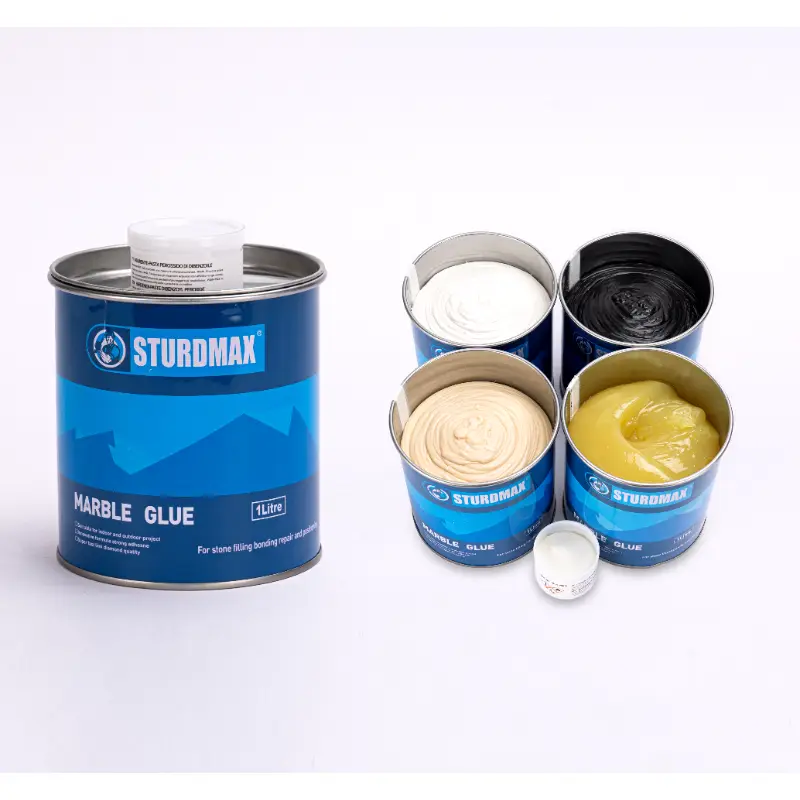
At STURDMAX, we are committed to helping stone fabricators achieve exceptional quality in every project. Our Stone Adhesive is specifically engineered to provide outstanding color stability, high bond strength, and long-term durability for white marble, quartz, engineered stone, granite, and sintered stone applications.
Whether you’re manufacturing luxury countertops, processing architectural stone, or supplying premium construction projects, STURDMAX delivers adhesive solutions designed for professional performance. Contact our team today to learn how our advanced epoxyacrylate technology can help you create cleaner seams, longer-lasting installations, and consistently beautiful white stone projects.
FAQ
Why does marble adhesive turn yellow over time?
Yellowing usually occurs because of UV exposure, oxidation, heat, moisture, or low-quality resin formulations. High-performance epoxyacrylate adhesives are specifically designed to resist these aging factors.
Is non-yellowing marble adhesive only suitable for white marble?
No. It is also recommended for quartz, engineered stone, artificial stone, granite, and sintered stone, especially when maintaining long-term appearance is important.
Can non-yellowing adhesive be used outdoors?
Yes. Professional-grade epoxyacrylate marble adhesives typically offer excellent UV and weather resistance, making them suitable for many exterior stone applications.
Does color-stable adhesive affect bonding strength?
Not at all. Premium non-yellowing formulations combine excellent color stability with high bonding strength, ensuring both aesthetics and structural reliability.
How does non-yellowing adhesive improve fabrication efficiency?
Reliable formulations reduce rework caused by discoloration, minimize warranty claims, improve production consistency, and help fabricators deliver premium-quality finished products.
What types of projects benefit most from non-yellowing marble adhesive?
Luxury kitchens, hotel interiors, commercial buildings, bathroom vanities, custom furniture, wall cladding systems, and high-end residential projects all benefit from adhesives that maintain a clean, consistent appearance over the long term